
Where Old Colorado Mugshots Go
Old booking photographs survive in scattered hands. The arresting agency keeps its incident or booking file under a records series. A county or city court may hold the case register and judgment. The Colorado State Archives holds selected historical corrections, prisoner, and jail collections transferred under government retention rules. Newspapers and online copies sometimes preserve an image too. Those copies are not the originating record.
So decide what you need. Is it a prisoner photograph, a jail register, an arrest record, or the case outcome? Family history usually needs a county and an era. A photo request needs the prison or sheriff collection plus a call number. Recent dates work better elsewhere. The county roster or records unit is the faster start for those. The Colorado County Directory routes you to the local source once the booking agency is known.
Always pair an old image with the case file. The photo records an identification event at booking. When a name turns up in a historical collection, check what the catalog item really is. A photograph, an index entry, a jail register, or court papers each tell a different story.
Colorado Archives Collections and Eras
The finding aid from the Colorado State Archives lists several corrections and jail series. Date ranges are collection descriptions only. They promise neither complete volumes nor scanned pages. With a call number in hand, staff can pull material quickly and skip broad, costly searches.
| Collection or Record Series | Era or Call Number | What to Ask |
|---|---|---|
| Department of Corrections annual reports | 1896–1953 | Ask whether the report includes an individual record or only agency-level summaries. |
| Negatives of Prisoners | Call numbers 5812–5815 | Ask about the image format, name index, and access limits. |
| Photographs of Prisoners | Call number 60157 | Provide the person, institution, and likely date range. |
| Colorado State Reformatory inmate photos | Volume A, 1896; call numbers 60361–60381, 1927–1992 | Ask which volume covers the person and whether the image can be copied. |
| Prisoner’s Records | 1887–1939, index S1076 | Ask staff to check the index and identify the matching series. |
| Sheriff County Jail Arrest Record | Call number 23888, Volume C, 1921 | Confirm the county and whether the volume contains a photo or text register. |
| Jailor Arrest Records | Call number 23617, Volumes L–M, 1906–1913 | Give the likely county, name, and year for a focused search. |
| County Jail Cash Book | Call number 23618, Volume G, 1930–1934 | Ask whether the record tracks a booking or only jail transactions. |
The Archives offers an advanced search catalog covering agency, collection, call number, person, county, date, and record type. Results are an aid, not the record itself. A finding aid maps collections. It does not promise scans. It does not even promise name indexing for every item.
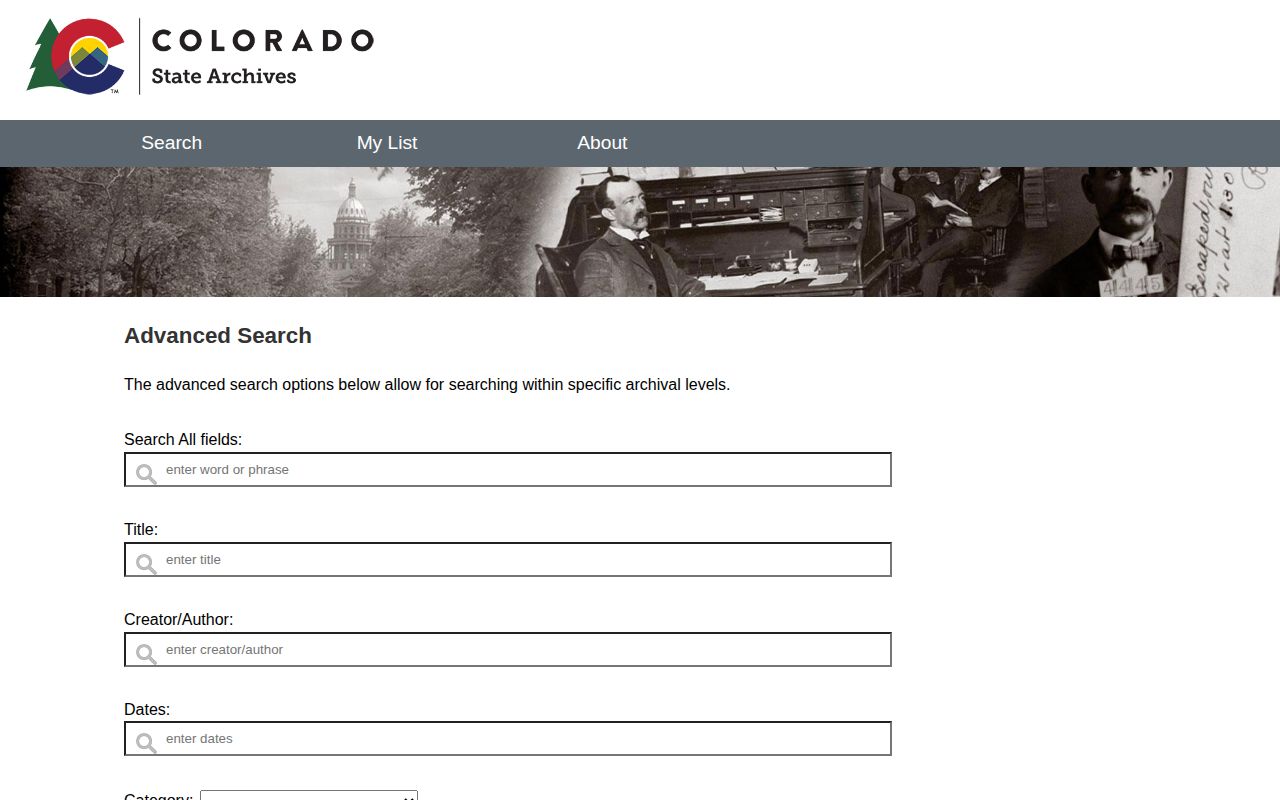
Use a catalog hit to narrow your request. Then ask the Archives to confirm the item's contents and its access conditions.
How Colorado Booking Records Age
Online visibility and legal retention are two different things. A roster shows active custody only. Recent-booking reports often expire after a set window. The booking record itself usually outlives the public page, staying with the sheriff or moving into an archival series. A cached search result can linger even after the agency page changes. Never confuse a 72-hour, 30-day, or weekly web window with the destruction date.
Colorado sets no single booking-photo retention term for every sheriff. Retention depends on the custodian's records schedule. The record series matters. So do litigation holds and archival transfers. A statewide jail statute requires daily jail information, but not a permanent online photo archive. An older Sheriff's Records Retention Schedule lists varied periods for some felony, misdemeanor, and incident records, yet it sets no current statewide photo rule for every county.
Ask the custodian directly. Request the schedule number and whether the record was transferred, destroyed, or placed under a hold. At the State Archives, the collection and call number beat a general request for "old mugshots."
A dashboard is not an archive. It shows a recent custody slice only. Boulder County's official dashboard separates current inmates, bookings, releases, and historical statistics.
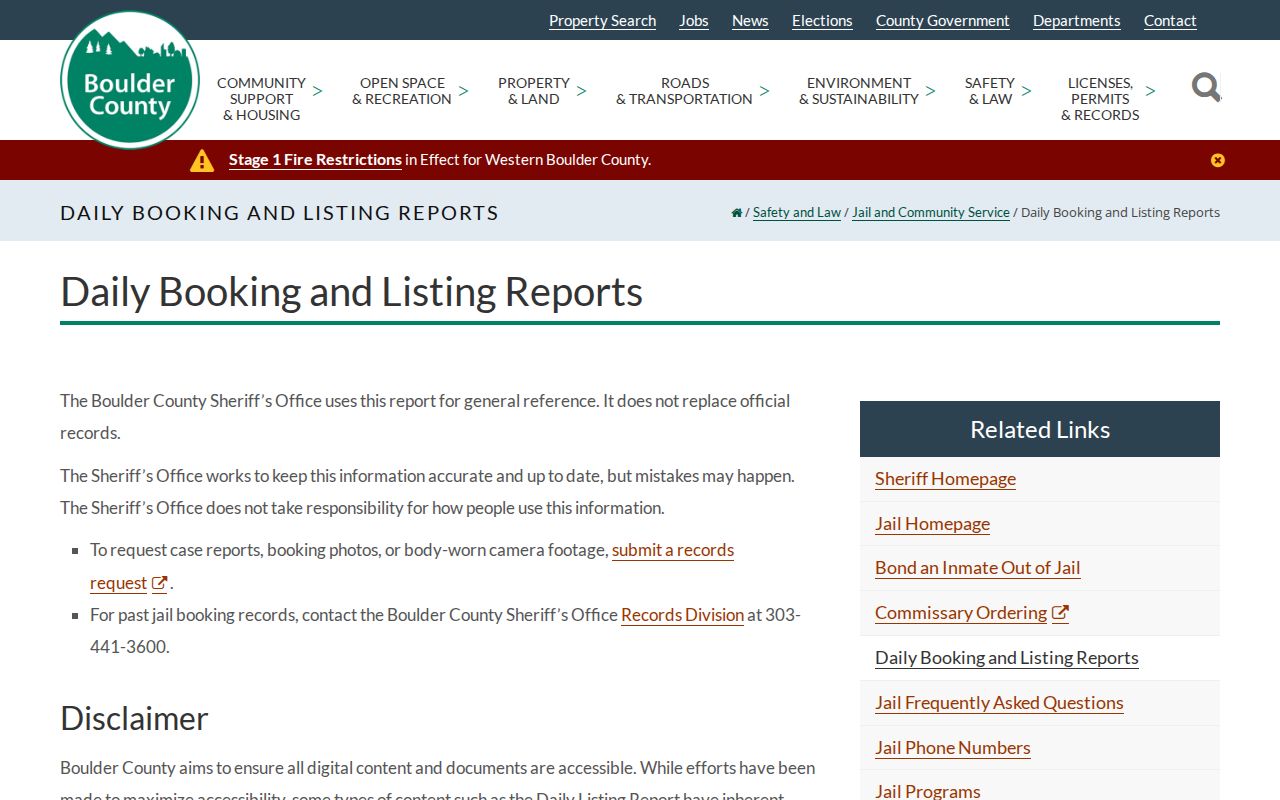
When the online window closes, the record may still exist. Ask the county records office whether the booking record remains under its active schedule.
Requesting Colorado Historical Records
Reference questions and copy requests go through the Archives' public request form. Give staff enough detail to identify a collection. Do not ask staff to search every Colorado jail. That will not work. The form covers scans, paper copies, and in-person access. Viewing records and taking personal camera photos in the reading room may be free. Scans, copies, and certified copies can carry fees. These depend on the service and record type.
- Write the person’s full name and any known spelling variants, the county or agency, and a narrow date range.
- Search the catalog or finding aid for a likely series, call number, volume, or index before sending the request.
- State whether you seek a photograph, jail register, case record, scan, paper copy, or reading-room review.
- Ask the Archives to confirm whether the volume contains the requested record, any access limits, current fee, and expected handling time.
- If the Archives points to a local custodian or court, use the county directory or Judicial Branch to follow that separate record path.
No fixed turnaround applies to every archival request. Sometimes staff must pull an unprocessed or restricted volume. A missing catalog result does not prove a record never existed. A catalog entry does not prove a photo is copyable.
For court results, use the Colorado Judicial Branch docket. It locates cases by county, date range, party name, or case number. Judgment copies come from the court holding the file.
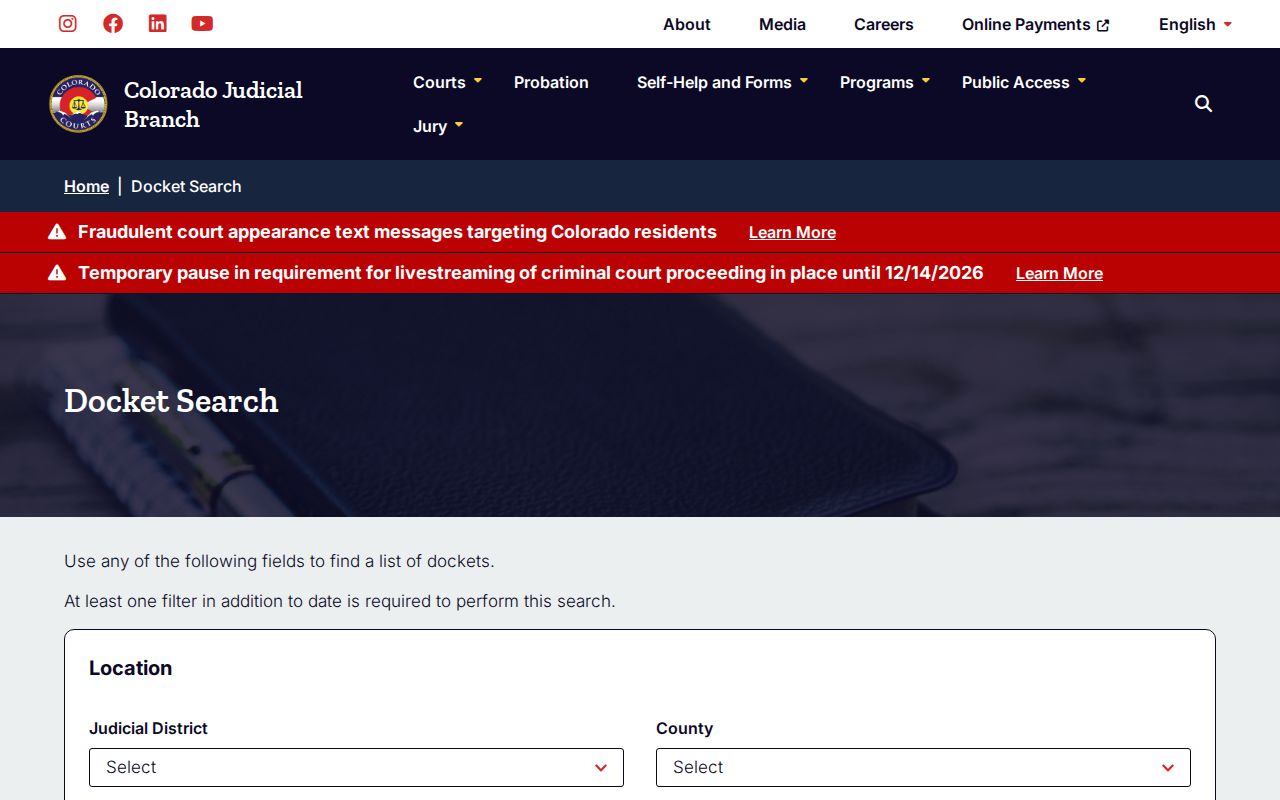
A docket number unlocks the real answer. Ask the court for the record showing the final outcome rather than trusting a booking-era charge label.
Sealed Cases and Archived Photos
A seal or expungement order changes what an official agency can release. It does not scrub old newspaper stories, search snippets, or social posts. Archival copies survive as well. Colorado treats each situation differently. Arrests without charges and nonconvictions follow one path. Adult convictions, municipal cases, and juvenile expungement each follow a separate path. The Judicial Branch seal-my-case hub routes you to the right packet. It notes that eligibility varies by outcome.
Once an order is granted, hand a copy to whoever holds the material. Ask that custodian or publisher how the order affects the record in question. An archival series may go through its own legal and historical access review. For a transferred record, ask the State Archives. Ask how the order applies. A third-party page still displaying a photo does not mean the image stays public.
The court's current page groups every sealing and expungement path by result. Start there before contacting any publisher about an old record.
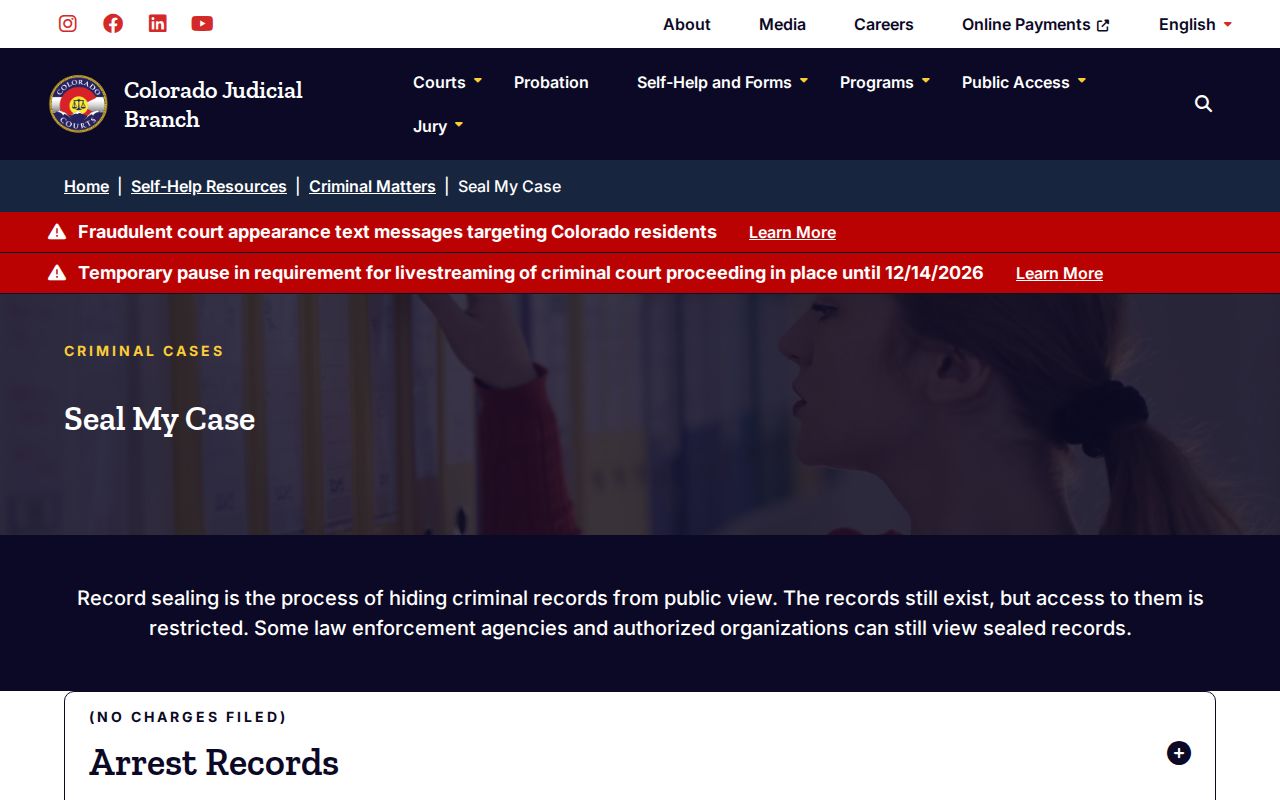
Filing a form settles nothing on its own. The court order and its terms control what the source agency may disclose.
Recent Records and Old Archives
A recent arrest starts with the arresting or booking agency. Check its roster, intake report, or records unit first. Older records demand a different approach. You may need a county schedule search or an Archives collection. Meanwhile, the person's court case can outlast both online views. Keep the sources distinct. Agency booking record, court disposition, archival collection, and third-party copy each answer a different question.
County-level products vary widely. Archuleta posts a rolling weekly photo intake report. Teller separates active and 72-hour lists. Weld runs a long-running text arrest search. Boulder splits current custody, daily bookings, and releases, with no public photos. A short web window is not an archival gap.
For a current booking, the Colorado statewide records overview maps official county feeds and their time windows. For an older item, search the catalog, ask the archives staff about the collection, and request the court disposition separately.